
09 • 01 • 2024
Reduce lead contamination at Puʻuloa Beach
VICTORY! Marine Corps takes significant steps to mitigate lead contamination at Puʻuloa Beach Park
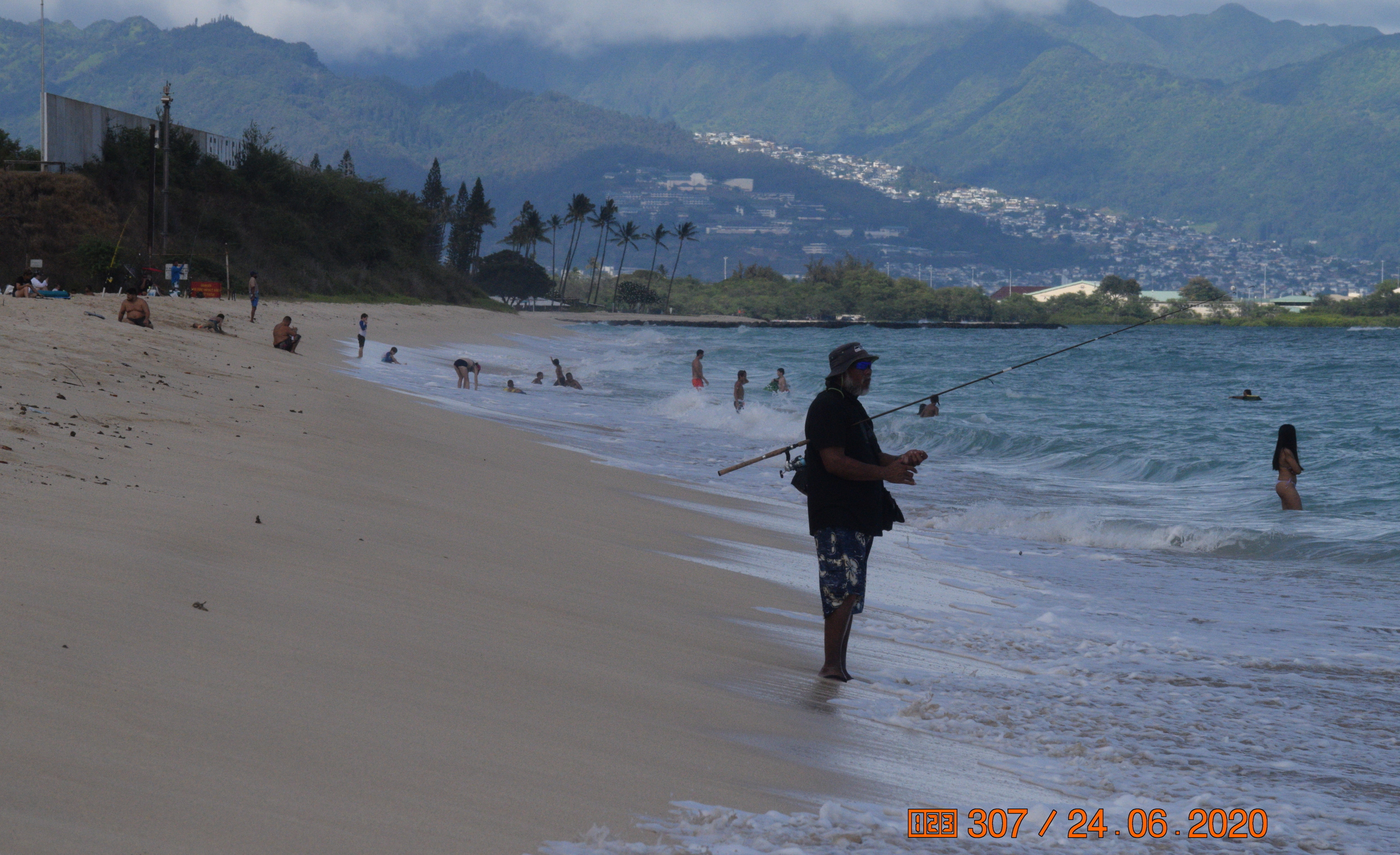
Puʻuloa Beach Park, adjacent to the U.S. Marine Corps Puʻuloa Range Training Facility (PRTF), has been used for nearly a century as a live-fire training range. Over time, this has resulted in elevated levels of lead and other contaminants in the coastal dunes, raising concerns about impacts to the shoreline, nearshore waters, and surrounding communities.
The Surfrider Foundation Oʻahu Chapter (SFO) launched a grassroots monitoring effort to assess these impacts and answer the question: have activities as PRTF impacted the ecological health of the shoreline and nearshore environment?
The volunteer-led 2022 SFO study collected sandy soil samples on the backside of impact berms in accordance with Hawaiʻi’s HRS Chapter 128D (Hawaiʻi Environmental Response Law). Surfrider documented lead contamination levels as high as 17 times accepted industrial thresholds, along with antimony and munitions fragments—confirming contaminants have moved beyond the berms and onto the beach and into the nearshore environment. These concerns were later underscored by fish sampling conducted near the range, which showed lead levels far exceeding food safety thresholds, raising serious concerns about contamination entering the marine food chain and impacting local communities who rely on nearshore fisheries.
In October 2022, SFO formally elevated concerns identified through its study in a letter to Rear Admiral Jeffrey Kilian, calling for a comprehensive Beach Contamination Assessment and outlining three key goals: cleanup of contaminated soil, expanded sampling of soil and water (including nearby communities), and assessment of impacts to the nearshore reef ecosystem.
In August 2024, the U.S. Marine Corps released a draft Site Investigation Report identifying elevated levels of lead and antimony in shoreline soils. In its review, the Hawaiʻi Department of Health HEER Office noted that contamination along the property boundary indicates a potential release or threat of release to adjacent beach areas and state waters.
As part of its response and site investigation, the Marine Corps undertook several actions:
- Relocated the Foxtrot firing berm approximately 40 yards inland, reducing the risk of contamination entering the shoreline. The berm was previously located along the seaward edge of the range within an active erosion zone, where natural coastal processes could mobilize lead-contaminated soils onto the beach and into nearshore waters.
- Excavated and processed contaminated soils, removing and recycling approximately 19 tons of lead and copper.
These actions reflect a significant victory —particularly removal of contaminated soil and moving infrastructure out of the coastal hazard zone—and demonstrate how community-driven science and grassroots advocacy can prompt state and federal agencies to investigate and begin addressing contamination that might otherwise go unaddressed.
Next Steps:
However, significant questions remain. In its review of the draft report, the Hawaiʻi Department of Health HEER Office raised concerns that the full extent of contamination has not been adequately characterized, including potential migration toward ʻEwa Beach communities and impacts to groundwater, and did not agree that “no further action” is warranted. The draft report remains under review with no final version released, and without clear commitments to address legacy contamination or ensure long-term monitoring, additional sampling and analysis will be critical to determine next steps and reduce ongoing risks to the ocean, surrounding communities, and the marine food chain.
Surfrider Foundation Oʻahu Chapter will continue to monitor developments and remain engaged in a supportive role to the Sierra Club and ʻEwa community groups as they investigate ongoing concerns, particularly the public health impacts of contaminated sediments and potential exposure in surrounding neighborhoods.
Mahalo to the volunteers and community members who made this work possible.